 Save
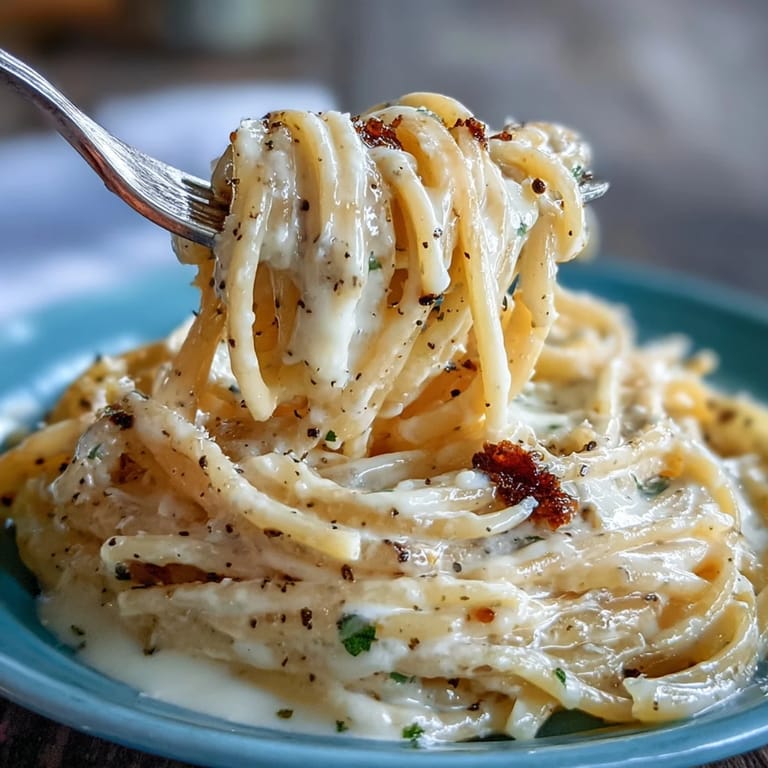
Save There's something magical about standing in a Roman kitchen on a Tuesday evening, watching an elderly signora work with nothing but pasta, cheese, and pepper like she's conducting a symphony. She moved with such confidence, her wooden spoon never hesitant, and I realized that cacio e pepe isn't really a recipe—it's proof that sometimes the most stunning dishes hide behind simplicity. When I finally understood the secret (it's all about the water, the timing, and respecting each ingredient), everything clicked into place.
My first successful batch was for a dinner party where I'd promised something "authentically Italian," and I was terrified I'd mess it up with fancy additions. Instead, I followed the rules strictly, and when I brought that steaming bowl to the table, the quiet that fell over the room told me everything. One guest actually closed her eyes on the first bite, and that's when I stopped apologizing for simplicity.
Ingredients
- Spaghetti or tonnarelli, 400 g (14 oz): Tonnarelli is traditional with its squared edges that grip the sauce better, but spaghetti works beautifully if that's what you have—just cook it one minute under the package time to keep it silky.
- Pecorino Romano cheese, 120 g (4.2 oz) finely grated: This is non-negotiable; the sharp, salty bite is what makes the dish work, and you must grate it fresh because pre-shredded cheese has anti-caking agents that ruin the creamy sauce.
- Whole black peppercorns, 2 tsp, freshly cracked: Crush them just before cooking so the volatile oils are still alive; pre-ground pepper tastes flat and tired in comparison.
- Kosher salt, 1 tsp (for pasta water): This seasons the pasta itself, so don't skip it or reduce the amount—the pasta needs to taste good on its own.
- Unsalted butter, 1 tbsp (optional): Traditionalists skip this entirely, but a small amount helps emulsify the sauce if you're nervous; use it as a safety net, not a habit.
Tired of Takeout? 🥡
Get 10 meals you can make faster than delivery arrives. Seriously.
One email. No spam. Unsubscribe anytime.
Instructions
- Boil the pasta with intention:
- Fill a large pot with water and bring it to a rolling boil—you want real heat here. Salt the water generously so it tastes like the sea, then add your pasta and stir it immediately so nothing sticks. Cook until just al dente, about one minute less than the package says, then scoop out 1½ cups of that starchy pasta water before you drain; that water is liquid gold.
- Toast the pepper until it sings:
- Pour your freshly cracked peppercorns into a large, dry skillet over medium heat and let them sit for about a minute, stirring occasionally, until the kitchen fills with that warm, toasty aroma. This wakes up the pepper's flavor in a way that raw pepper never can.
- Create the pepper base:
- Add about 1 cup of your reserved pasta water to the skillet with the pepper and reduce the heat to low; you're building a delicate peppery broth that will become your sauce.
- Combine pasta and liquid:
- Add the drained pasta to the skillet and toss gently with tongs, letting it swim in that peppery water for a moment so it starts absorbing the flavor and cooling down just slightly.
- Work the cheese magic:
- Remove the skillet from the heat completely—this is important—then sprinkle in the Pecorino Romano slowly while tossing and stirring like you're in a constant conversation with the pasta. The residual heat will melt the cheese and the starch from the pasta water will emulsify everything into a creamy sauce that clings to each strand.
- Adjust the consistency:
- If the sauce feels too thick, add splashes of reserved pasta water until it reaches that silky, almost glossy consistency where the sauce coats the pasta without pooling at the bottom of the skillet.
- Finish with butter if you choose:
- If using butter, add it now and toss until it melts completely into the sauce, creating even more richness and shine.
- Serve with urgency:
- Plate immediately and top with extra Pecorino Romano and more freshly cracked pepper; cacio e pepe waits for no one, and it's best enjoyed the moment it's made.
 Save
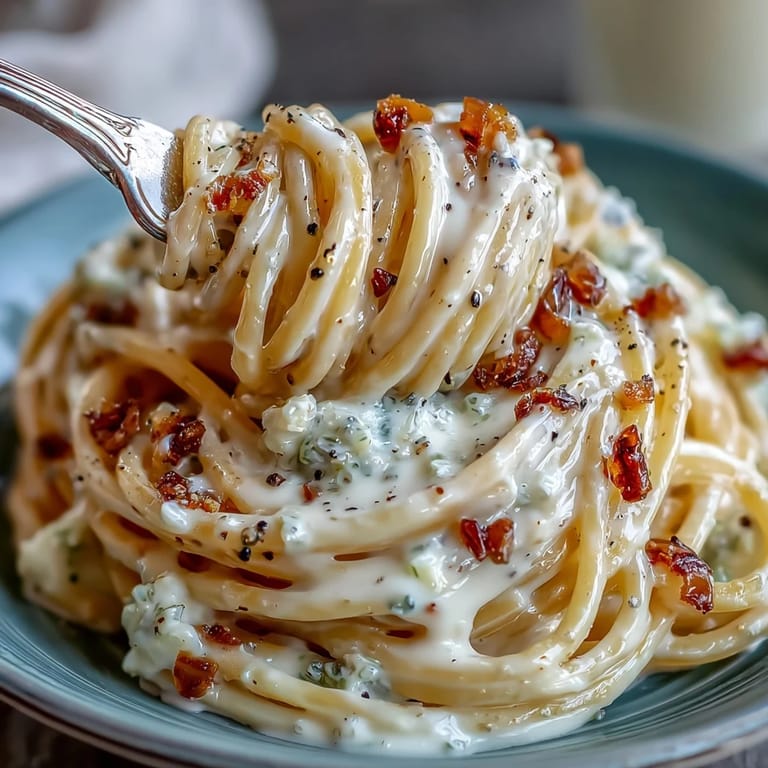
Save The moment I understood cacio e pepe was when I stopped thinking of it as cooking and started thinking of it as balance—balancing heat and coolness, pasta and water and cheese, tradition and the freedom to adjust as you go. It's become my go-to dish when I want to prove to myself that I know what I'm doing in the kitchen, and also my comfort meal when everything feels overwhelming.
The Truth About Simplicity
Simple recipes are often the hardest because there's nowhere to hide—every choice matters, every ingredient is visible, and there are no shortcuts or fancy techniques to fall back on. When you make cacio e pepe, you're not trying to impress with complexity; you're just trying to treat each element with respect and let them do their job. This is why Romans have been making it the same way for generations; they understood that sometimes the best meal is the one that doesn't overthink itself.
Choosing Your Cheese Wisely
Not all Pecorino Romano is created equal, and this is the one place where you should spend a little extra money. Look for cheese that's aged at least five months, with a crumbly texture and a golden color; it should taste sharp and slightly salty, with a mineral quality that feels Roman. Avoid anything labeled "Pecorino" without the "Romano" designation, and never, ever buy the pre-grated stuff in the green canister because it contains cellulose that will make your sauce grainy and disappointing.
Pasta Water Is Your Secret Weapon
The starch in pasta water is what transforms a sad pile of cheese and pasta into something glossy and cohesive, so treat that cooking liquid like the precious thing it is. If you drain your pasta and discard the water without thinking, you're throwing away the foundation of the entire dish. This is why cacio e pepe teaches us that sometimes the most important ingredients aren't the fancy ones—they're the ones that do their job so quietly you might miss them if you're not paying attention.
- Taste the pasta water after cooking; it should taste pleasantly salty and subtly starchy, which means the pasta has seasoned it perfectly.
- Save more pasta water than you think you'll need because it's easier to have extra than to run back to the pot halfway through plating.
- Room temperature pasta water works fine for adjusting consistency after you've finished, but the hot water is what creates the silky sauce in the first place.
 Save
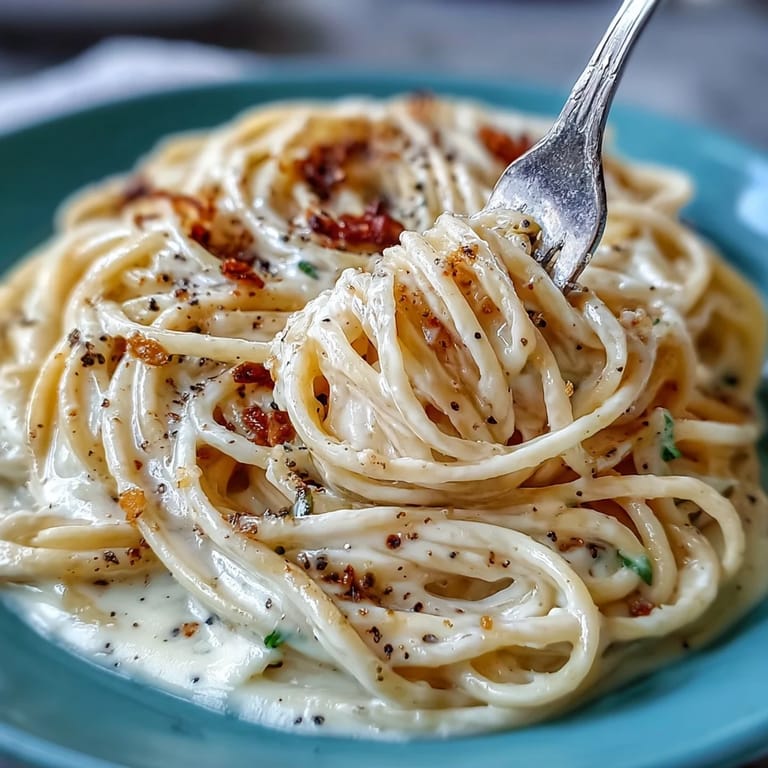
Save Cacio e pepe will change the way you cook because it teaches you to trust simplicity and respect your ingredients. Once you've made it a few times, you'll understand why some dishes don't need improvement—they just need patience and attention.
Common Questions
- → Why does my cheese clump instead of creating a creamy sauce?
Remove the pan from heat before adding cheese and add it gradually while tossing vigorously. The pasta water should be hot but not boiling, as excessive heat can cause the cheese to seize and clump rather than emulsify smoothly.
- → Can I substitute Parmesan for Pecorino Romano?
While possible, Pecorino Romano is essential for authentic flavor. It's sharper and saltier than Parmesan, giving the dish its characteristic bold taste. Using Parmesan will result in a milder, less traditional version.
- → How do I achieve the perfect creamy consistency?
Reserve plenty of pasta water and add it gradually while tossing. The starch in the water helps emulsify the cheese into a creamy sauce. Start with less water and add more as needed until you reach a silky, coating consistency.
- → What type of pepper works best?
Freshly cracked whole black peppercorns are essential. Toasting them briefly releases their aromatic oils and intensifies the flavor. Pre-ground pepper lacks the bold, pungent kick that defines this dish.
- → Can I make this ahead of time?
This dish is best served immediately after preparation. The sauce can separate and become gummy when reheated. If necessary, reheat gently with additional pasta water and toss vigorously to re-emulsify the cheese.
- → Is butter traditional in Cacio e Pepe?
Traditional versions use only cheese, pepper, and pasta water. Butter is a modern addition that some cooks use for extra richness and to help stabilize the sauce. Purists omit it, but it's a matter of personal preference.