 Save
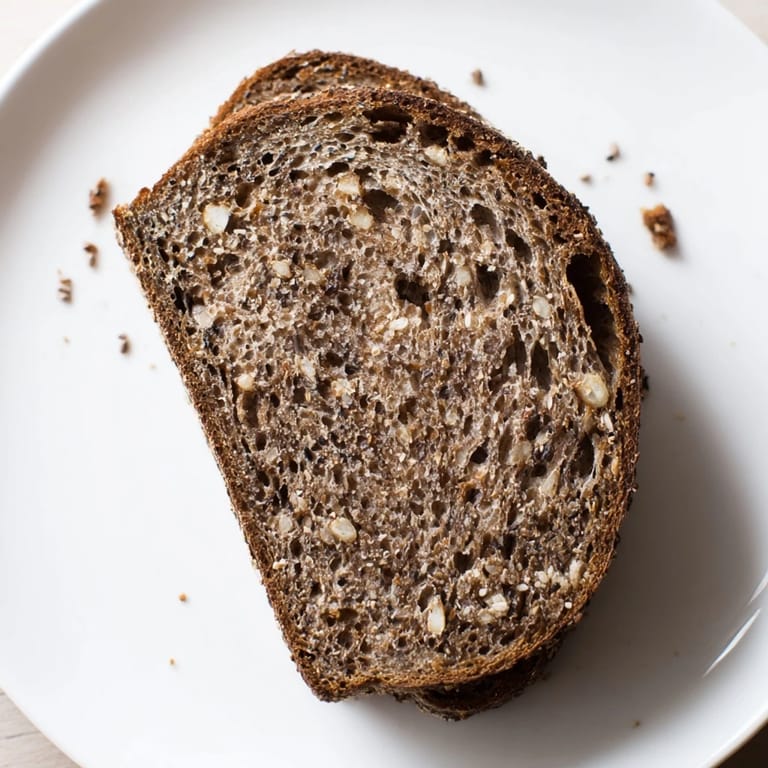
Save My friend Kadri brought a wrapped loaf to my kitchen one autumn morning, and the smell that escaped when she unwrapped it stopped me mid-conversation. Dark, complex, slightly sweet with that earthy undertone of caraway—it was Estonian leib, the bread her grandmother had been making for decades. She left me the starter and a handful of notes scrawled on the back of an old recipe card. That first loaf I made wasn't perfect, but it was alive in a way store-bought bread never is, and once I tasted it with cold butter and smoked fish, I understood why this bread matters.
I remember my neighbor Mart stopping by while the bread was cooling, drawn by the smell through the hallway. He cut a thick slice before it had even fully cooled, slathered it with butter, and ate it standing at my kitchen counter without saying much—just closed his eyes for a moment. That's when I realized this wasn't just bread; it was a small cultural moment, a taste that carried stories older than either of us.
Ingredients
- Active Rye Sourdough Starter (100 g): This is your living engine—it needs to be fed regularly and smell pleasantly sour before you use it, otherwise your dough won't rise with the gentle determination this bread requires.
- Dark Rye Flour (400 g): The backbone of the flavor, deeper and earthier than wheat flour; it absorbs more water, so don't be alarmed by how sticky the dough feels.
- Bread Flour (100 g): A smaller amount of wheat flour helps structure the crumb and gives the dough just enough elasticity to hold together.
- Lukewarm Water (300 ml): Temperature matters more than you'd think; too hot kills the starter, too cold slows everything down.
- Dark Rye Malt (50 g): This gives the bread its signature deep color and subtle sweetness; if you can't find it, barley malt powder works beautifully as a substitute.
- Molasses or Dark Honey (2 tbsp): Feeds the starter and adds richness, though molasses brings a deeper, almost mineral complexity that feels more authentically Estonian.
- Caraway Seeds (1 tbsp, plus optional 1 tsp for topping): The soul of the bread—warm, slightly citrusy, unmistakably Nordic; toast them gently if you want the flavor more pronounced.
- Fine Sea Salt (2 tsp): Use fine salt so it dissolves evenly; it strengthens the dough and balances the sweetness beautifully.
Tired of Takeout? 🥡
Get 10 meals you can make faster than delivery arrives. Seriously.
One email. No spam. Unsubscribe anytime.
Instructions
- Wake Up Your Starter:
- Pour your starter into a large bowl with the lukewarm water and molasses, stirring until the molasses dissolves into dark ribbons. You're creating an inviting environment for the wild yeast to begin its slow work.
- Bring the Dry Ingredients Together:
- Add the rye flour, bread flour, malt powder, caraway seeds, and salt all at once. Mix with a wooden spoon, pressing and folding until everything is hydrated and you have a thick, sticky dough that feels almost too wet to handle—this is exactly right.
- The Long, Patient Rise:
- Cover your bowl with a damp cloth and let it sit at room temperature for 10–12 hours or overnight. You'll watch it transform slowly, bubbles rising to the surface, the dough expanding with an almost invisible gentleness. This is where the flavor develops, where the bread becomes itself.
- Shape and Second Rise:
- Line your loaf pan with parchment or grease it lightly. Scrape the dough in with a wet spatula, smoothing the top gently—don't force it. Sprinkle caraway seeds on top if you want them to announce themselves with every bite, then cover and let it rise for 2–4 hours until it's nearly reached the rim of the pan.
- Create Steam and Bake:
- Preheat your oven to 220°C (430°F) and place a pan of hot water on the bottom rack; the steam is crucial for developing that dark, crackling crust. Bake the loaf for 15 minutes at the high temperature, then lower it to 190°C (375°F) for another 30 minutes, until the crust is nearly black and the loaf sounds hollow when you tap the bottom.
- Cool with Patience:
- Remove the bread and let it cool completely on a wire rack before slicing. I know this is hard—the smell is almost unbearable—but cutting into warm bread tears the crumb structure and wastes all that patient fermentation.
 Save
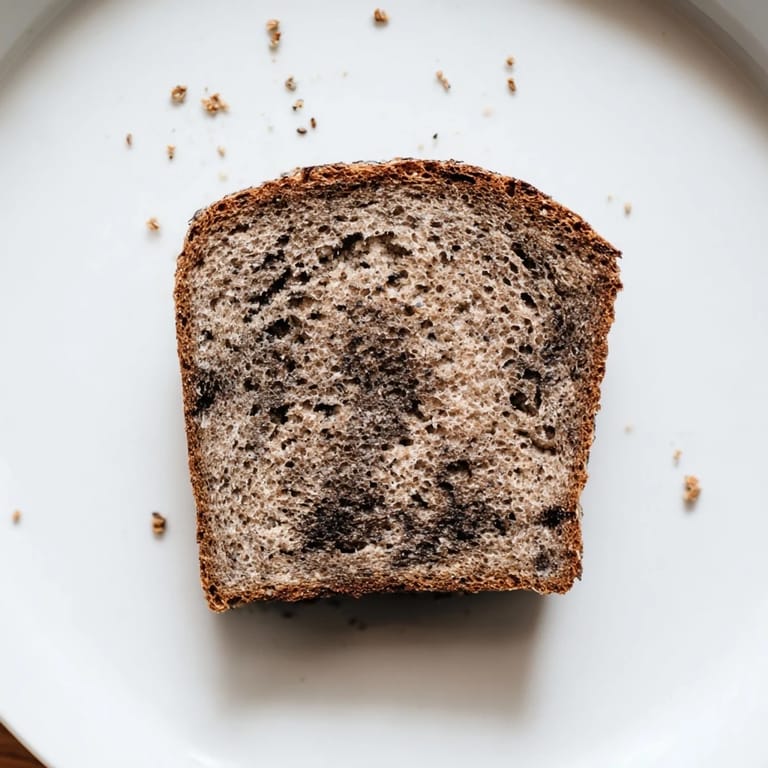
Save There's a moment, about halfway through the second rise, when you lift the cloth and the dough has nearly filled the entire pan—it's a small miracle every time. My kitchen fills with the smell of fermentation and malt and caraway, and I'm reminded that this bread doesn't ask for perfection, just attention and time and trust in something you can't quite see happening.
Why This Bread Matters
Estonian leib is not fancy or refined; it's sturdy and honest and built to nourish. In a country where winters are long and dark, this bread has sustained families for generations. It's the kind of food that doesn't try to impress you—it just quietly becomes essential, especially when paired with something simple like butter or smoked fish or aged cheese. Making it yourself, you inherit a small piece of that tradition, and the kitchen feels like it's been witness to something larger than just baking.
The Gift of Slow Fermentation
One of the quiet revelations of making sourdough is realizing how much flavor develops in patience. Unlike commercial yeast, which works fast and efficient, your sourdough starter ferments slowly, breaking down the grain over hours and creating complex notes you couldn't manufacture if you tried. The malt adds depth, the caraway adds personality, but the starter adds soul—it's why day-old leib tastes even better than the first slice, more layered, more itself.
Serving and Storing Your Loaf
Slice this bread thick and eat it with intention. It deserves good butter, or thin slices of smoked fish, or just your attention for a moment before you rush into the rest of your day. The bread keeps wrapped in a clean towel for up to a week, and it actually improves as it sits, becoming slightly denser and more flavorful. Cold slices are wonderful too, almost cake-like in texture, perfect with cheese or a simple breakfast.
- Wrap it in a linen towel the moment it's cool; plastic traps moisture and softens the crust you worked so hard to develop.
- If you need to keep it longer than a week, slice it and freeze it—it thaws beautifully and tastes nearly as fresh as the day you made it.
- Toasted slices with butter and jam are a secret weapon on mornings when you want something substantial but not heavy.
 Save
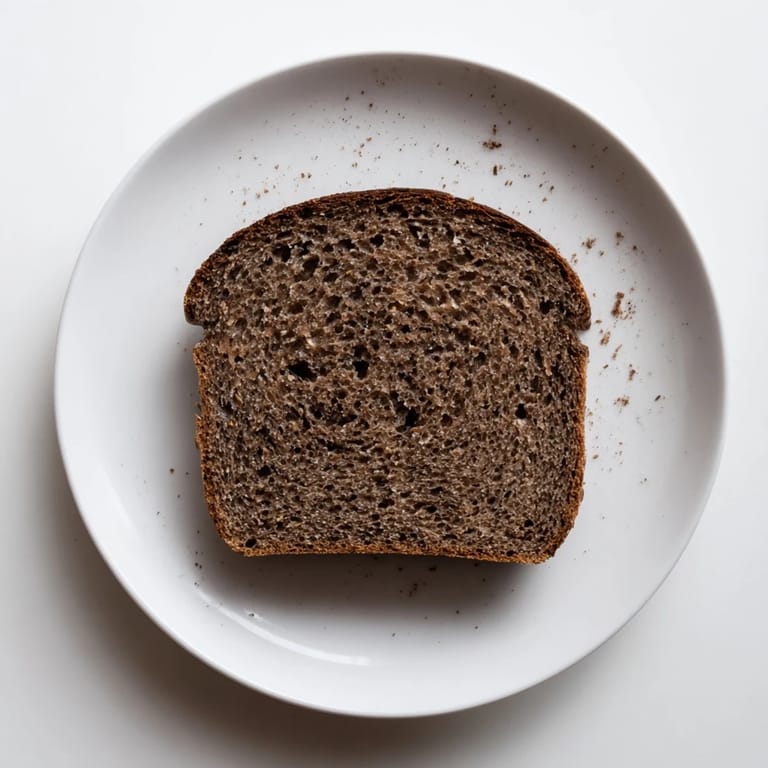
Save This bread is a quiet teacher. It shows up, does its work without fanfare, and asks only that you show up in return. Every loaf will be slightly different—shaped by your kitchen's temperature, your starter's particular personality, the mood of your hands as you mix—and that's the point. You're not producing uniform slices; you're creating something alive.
Common Questions
- → What gives this loaf its dark color?
The use of dark rye flour and malt powder contributes to the rich, dark hue of the loaf.
- → How long should the dough rise?
The dough requires an initial rise of 10–12 hours followed by a second rise of 2–4 hours for optimal texture.
- → Why is steam used during baking?
Placing a pan of hot water in the oven produces steam, helping create a crispy crust and moist interior.
- → Can I adjust the sweetness of this bread?
Yes, increasing molasses up to 3 tablespoons will add a subtle sweetness to the loaf.
- → What are good accompaniments for this bread?
This loaf pairs well with salted butter, smoked fish, or aged cheeses for a balanced flavor experience.