 Save
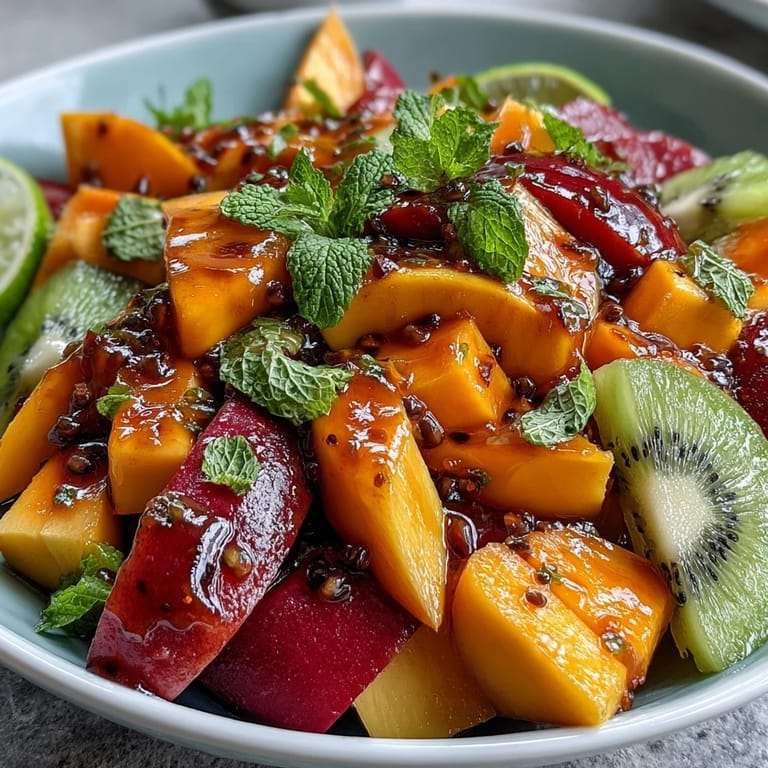
Save My neighbor showed up at our summer potluck with this stunning fruit display, and I watched guests gravitate toward it like moths to a flame—not because it tasted revolutionary, but because it looked like edible art. I'd always assumed those gorgeous fruit platters required some secret technique, until she casually mentioned she just sliced everything and arranged it by color. Now I make versions for almost every gathering, and the moment people see it, the energy shifts.
There was this one brunch where my sister arrived early and caught me mid-arrangement, frantically trying to make the papaya look intentional. She laughed and said the imperfect spacing made it feel more real, more inviting—not like something from a magazine. That stuck with me; now I lean into the organic chaos rather than obsessing over perfect lines.
Ingredients
- Ripe mangoes (2): Choose ones that yield slightly to pressure—if they're rock hard, they'll taste mealy and wrong, but overripe ones bruise too easily to slice neatly.
- Large pineapple (1): A fresh one should smell sweet at the base; avoid any with soft spots or that hollow feeling when you pick it up.
- Kiwis (2): The green flesh against everything else is pure visual gold, and they add a subtle tang that wakes up your palate.
- Papaya (1): This one's mild, almost creamy in texture, and honestly it's more about how it looks than how it tastes—which is perfectly fine.
- Dragon fruit (1): The hot pink exterior and speckled interior feel theatrical; it's the conversation starter of the fruit world.
- Seedless red grapes (1 cup): These little orbs are texture and color fillers, plus they stay firm and never get weird and mushy.
- Fresh strawberries (1 cup): Halve them just before serving so they don't weep and turn the platter into a red puddle.
- Blueberries (1 cup): They nestle into gaps and add pops of deep color that make the whole display feel more polished.
- Fresh mint leaves (1/4 cup): A handful of green scattered across the top ties everything together and smells incredible when people lean in.
- Lime wedges: Both functional and beautiful—they remind people they can squeeze a little brightness over their selections.
- Vanilla Greek yogurt (1 cup, optional): Tangy, creamy, and the lime zest wakes it up so it doesn't feel like an afterthought.
- Honey or agave (1 tablespoon): Just enough to balance the tartness of the yogurt without making it dessert-y.
- Lime zest: This is what makes the dipping sauce actually memorable instead of just a thing on the side.
Tired of Takeout? 🥡
Get 10 meals you can make faster than delivery arrives. Seriously.
One email. No spam. Unsubscribe anytime.
Instructions
- Prep every fruit first—don't cut as you go:
- This is the golden rule I learned after a chaotic attempt at doing everything simultaneously. Peel, pit, slice, and arrange each type on its own small plate or cutting board so you can see what you're working with and actually breathe.
- Start with your anchor fruits at the center or base:
- Mango and pineapple are sturdy and visually commanding, so fan them out or layer them first—this gives your arrangement structure and prevents the platter from feeling random.
- Layer the rest around in sections, thinking about color contrast:
- Alternate the bright yellows and oranges with deep purples and reds so no single color dominates. It doesn't need to be perfectly symmetrical; in fact, asymmetry looks more natural and inviting.
- Scatter mint and lime wedges across the top:
- These aren't just garnish—they signal freshness and give the whole thing an intentional finishing touch that people immediately notice.
- Mix the dipping sauce in a small bowl if you're making it:
- Stir yogurt with honey and lime zest until smooth. Set it nearby or in the center of your platter, depending on your setup.
- Keep everything chilled until the moment guests arrive:
- A warm fruit platter loses its appeal fast and fruit starts releasing liquid everywhere. If you're making this more than an hour ahead, cover it loosely with plastic wrap.
 Save
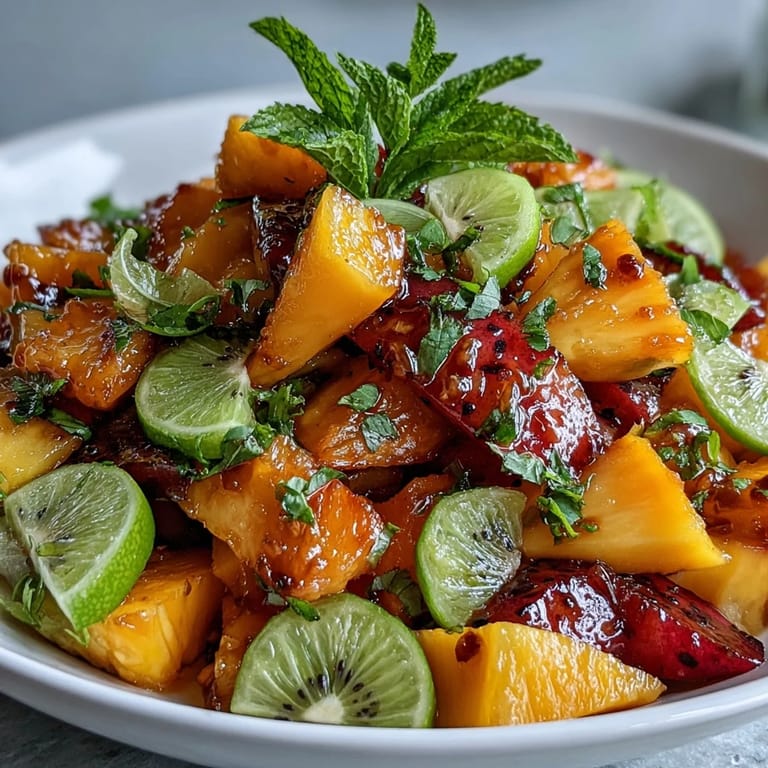
Save My cousin once brought this display to a wedding reception, and I watched a notoriously picky eater load a plate with fruit they normally wouldn't touch. The visual appeal gave them permission to be adventurous, and suddenly they were trying dragon fruit and papaya without thinking twice. That's when I realized this isn't just a pretty appetizer—it's a gateway to trying things you might otherwise skip.
Choosing Your Fruits Wisely
The moment I started checking fruit ripeness instead of just grabbing whatever looked decent, my platters transformed. A mango that's slightly soft yields to your thumb without being mushy; a pineapple that smells sweet at the base will taste bright instead of bland. Timing matters because fruit ripens unevenly—buy what's just ready a day before, not what's been sitting for a week.
Making It Look Effortless
The secret isn't technical—it's trusting that fruit is already beautiful and letting it do the work. I used to stress about creating patterns, but the best displays are the ones where I just arranged by color and height, letting the natural variety create visual interest without overthinking it. Sometimes the most impactful moment is stepping back and letting people see that this didn't require a culinary degree.
Adapting for Your Season and Crowd
Every season offers different fruit possibilities, and leaning into what's fresh and local makes the display taste better and feel more current. Winter might bring pomegranate arils and persimmons; spring adds fresh strawberries and early mangoes; summer opens the door to everything tropical. The formula stays the same—color contrast, texture variety, and height variation—but the cast of characters changes, keeping this feel fresh even when you make it repeatedly.
- Swap in passion fruit, star fruit, or melon chunks based on what's peak in your region and what your crowd gravitates toward.
- Add edible flowers, toasted coconut flakes, or even a light drizzle of coconut nectar if you want to elevate it without major effort.
- Keep a small cutting board nearby so guests can add lime juice to their selections—it brightens everything and makes the experience interactive.
 Save
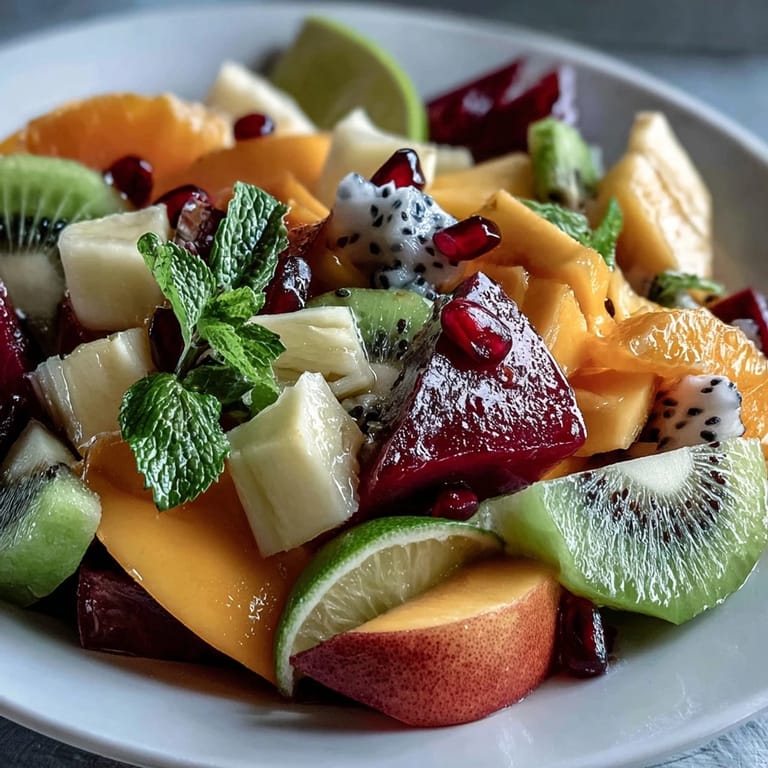
Save This display has become my go-to when I want something that looks impressive without stressing, and honestly, it's taught me that sometimes the most memorable food moments aren't about complexity—they're about presenting simple things in a way that makes people feel celebrated. Make it, trust it, and watch it disappear.