 Save
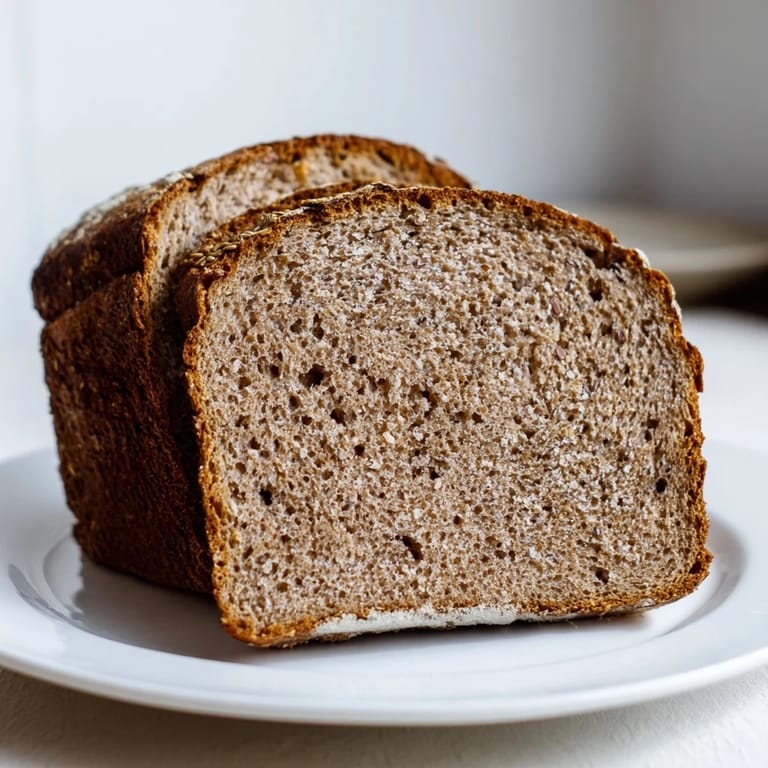
Save The first time I truly understood Latvian rupjmaize was not in a cookbook but in my grandmother's kitchen on a grey Baltic morning, the air thick with the smell of dark rye and molasses simmering into something ancient and alive. She pulled a loaf from her oven that had been rising since the night before, and I watched the steam curl off its deeply browned crust like it was releasing some kind of secret. That bread was dense, honest, a little bit stubborn—exactly like the people who made it. Now when I bake this at home, I'm chasing that exact moment when the kitchen fills with that unmistakable aroma, and somehow, impossibly, I get there.
I made this bread once for a dinner party when I was trying to impress someone, and I got nervous about the long rise—what if it overproofed?—so I kept opening the oven and poking at it. My friend laughed and told me Latvian bread doesn't mind being fussed over, it actually expects it. That loaf turned out beautifully golden, dense and forgiving, and everyone kept going back for more slices even though they'd already had plenty. It became the thing people remembered most about that whole meal, which taught me something about showing up with simple, honest food.
Ingredients
- Dark rye flour (500 g): This is the backbone of the bread, bringing that distinctive earthy, slightly bitter depth that makes rupjmaize so memorable; don't skip it or substitute with regular whole wheat, as rye has its own character.
- Bread flour (100 g): The small amount of bread flour gives the dough just enough structure to rise properly while keeping the crumb moist and tender.
- Active dry yeast (1 packet, 7 g): One packet is plenty for this long, slow rise; the extended fermentation builds flavor in a way that rushed breads never can.
- Warm water (350 ml): Keep it around 40°C—too hot kills the yeast, too cold and nothing happens; lukewarm is the sweet spot.
- Molasses or dark honey (2 tbsp): Both add subtle sweetness and depth, though molasses gives a richer, almost smoky note that feels more authentically Latvian.
- Salt (2 tsp): Never underestimate salt in bread; it balances the earthiness and strengthens the gluten.
- Caraway seeds (2 tsp): These are optional only if you don't like their warm, slightly bitter flavor; in Latvia, they're almost mandatory, so use them.
- Vegetable oil (1 tbsp plus extra): Just enough to keep the dough from sticking without making it greasy; olive oil works but keeps the flavor purer.
- Rye flour for dusting: This goes on top before baking and gives the crust that characteristic rustic appearance.
Tired of Takeout? 🥡
Get 10 meals you can make faster than delivery arrives. Seriously.
One email. No spam. Unsubscribe anytime.
Instructions
- Bloom the yeast and build the base:
- Pour your warm water into a large bowl, stir in the molasses until it dissolves, then sprinkle the yeast on top and let it sit for 10 minutes until it gets foamy and alive looking. This is your signal that the yeast is happy and ready to work.
- Bring the dough together:
- Add the rye flour, bread flour, salt, and caraway seeds, then mix with a wooden spoon until everything is shaggy and barely holding together. Rye dough is always sticky—this is not a mistake, it's just how it is.
- Knead and develop:
- Drizzle in the oil and knead by hand or with a dough hook for 5 to 7 minutes until the dough smooths out and feels elastic, though it will still be soft and slightly sticky. You'll feel it transform under your hands from rough to supple.
- Begin the long rise:
- Shape the dough into a ball, place it in a lightly oiled bowl, cover with plastic wrap or a damp towel, and let it rest at room temperature for 12 to 16 hours or overnight. By morning, it should have roughly doubled; this slow rise is where all the flavor comes from.
- Shape and final rise:
- Punch down the dough gently, turn it onto a lightly floured surface, and shape it into a round or oval loaf, then place it on a parchment-lined baking sheet or in a greased loaf pan. Cover and let it rise for 45 to 60 minutes until it looks puffy and soft to the touch.
- Prepare for baking:
- About 15 minutes before baking, preheat your oven to 220°C and dust the top of the loaf generously with rye flour. If you want to score it, do so now with a sharp knife, but this is purely for looks.
- Bake until golden and hollow:
- Bake in the center of the oven for 45 to 50 minutes; the loaf should be deeply browned and sound hollow when you tap the bottom. You'll know it's done when the kitchen smells like nothing else matters.
- Cool completely before slicing:
- Remove the loaf to a wire rack and let it cool completely—this takes patience, but slicing into warm bread will squish it and ruin the crumb. Once cooled, slice thick and toast each piece just before serving if you want to really experience it.
 Save
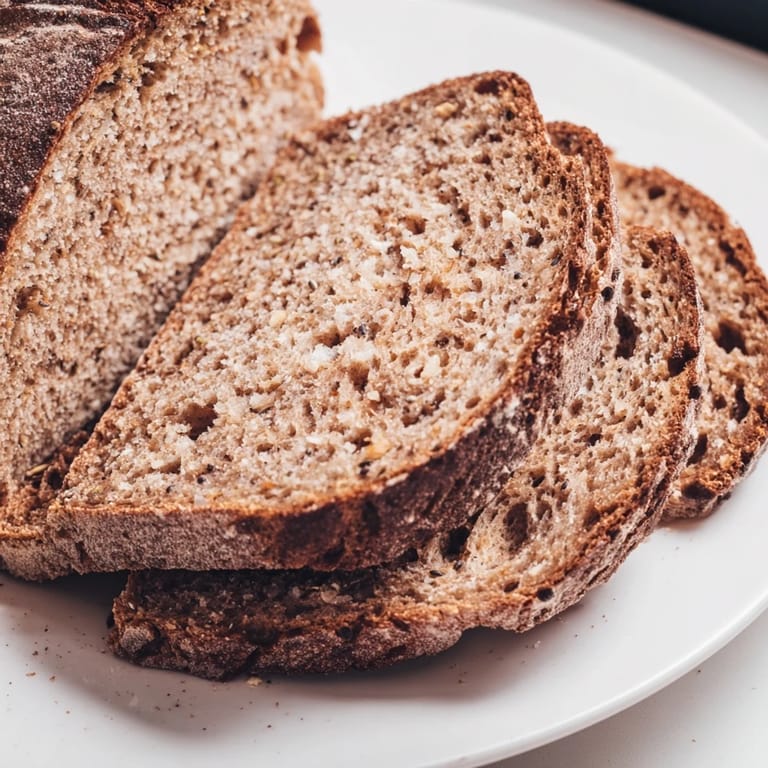
Save My favorite moment with this bread is the next morning, when I slice it, toast it until it's warm and slightly crisp, and then just butter it and stand there in the quiet of the early kitchen. That's when I understand why people have been making this exact bread in Latvia for centuries—it's the kind of thing that makes ordinary moments feel less lonely.
The Magic of a Long, Slow Rise
This bread teaches you something important about patience and trust if you let it: the longer rise at room temperature doesn't just give the yeast time to work, it builds flavor compounds that happen at their own pace, in their own way. I used to think overnight rising was for convenience, but now I know it's actually the whole point. The dough gets this incredible subtle tanginess, a nuttiness that can't be rushed, and the crumb develops that characteristic moistness that keeps the bread good for days. When you taste the difference between a properly fermented loaf and one that was rushed through a quick rise, you'll understand why Latvian bakers never hurry this step.
Caraway Seeds: The Unexpected Star
The caraway seeds in this bread are easy to dismiss as optional, but they're actually what makes rupjmaize feel distinctly Latvian rather than just any dark rye bread. They add this warm, slightly peppery note that sits underneath everything else, almost like a secret flavor that people notice but can't quite name. If you want to understand them better, lightly toast them in a dry pan before adding them to the dough—it intensifies their flavor and makes them feel less like an afterthought. I've also learned that a little goes a long way; two teaspoons is the right amount to add character without overwhelming the bread.
Serving and Storage
This bread is most authentic when sliced thick and toasted, with good salted butter or topped with smoked fish and a quiet moment at the table. It keeps beautifully for days wrapped in cloth, and actually gets better as the flavors settle and deepen. If you slice it and freeze the pieces, you can toast them straight from frozen whenever you want that moment of warm rye bread and melting butter.
- Toast slices in a cast iron skillet or under the broiler for the best texture—it brings out the nuttiness and crisps the crust perfectly.
- Pair it with sharp cheeses, good fish, pickled vegetables, or just use it for sandwiches that feel substantial and real.
- Wrap leftover bread in a kitchen towel or cloth bread bag rather than plastic, which traps steam and makes it soggy.
 Save
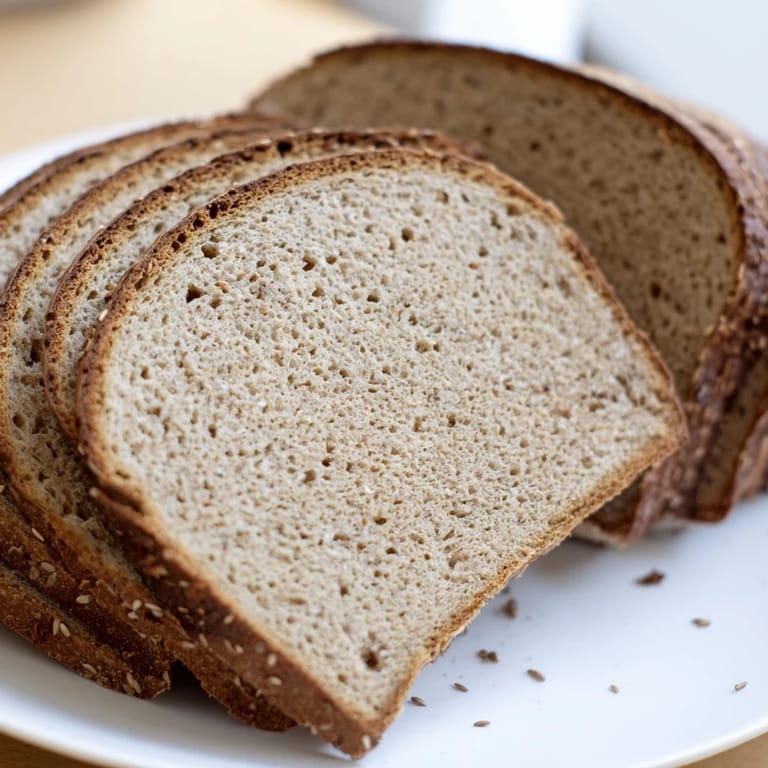
Save Baking this bread connects you to something old and real, a kind of cooking that doesn't need anything fancy to mean something. I hope it fills your kitchen with that unforgettable smell and brings people to the table just because something good is there.
Common Questions
- → What type of flour is used in this bread?
The bread combines dark rye flour and bread flour to achieve its dense yet tender texture.
- → How long should the dough rise?
The dough requires a long first rise of 12–16 hours at room temperature, followed by a second rise of about 45–60 minutes before baking.
- → What role do caraway seeds play in the bread?
Caraway seeds add a distinctive, aromatic flavor that complements the earthiness of the rye flour.
- → Can molasses be substituted in this bread?
Yes, molasses can be replaced with dark honey to provide sweetness and enhance the bread's rich flavor.
- → How can I get a nuttier taste from the caraway seeds?
Lightly toasting the caraway seeds before adding them to the dough intensifies their nutty aroma and flavor.
- → What is the best way to store this loaf?
Slice the bread before freezing to preserve freshness and allow easy toasting later.